Executive Summary
A simulation can forecast only what a matter supports. Before any Cognitive Digital Twin runs, the matter itself has to carry four properties. Time means dated clocks, and sequence means moves that follow one another. Probability means outcomes a dated public source will confirm, and rules means a known rulebook that governs the moves.
The MindCast Suitability War Game tests those four properties in ten short rounds. Readers answer questions about their own decision, and the tool draws a live war gaming board as they go. The verdict places the matter on one of three tiers (drawable, worth simulating or playable), and each tier maps to a specific MindCast product. A board tells a decision-maker when to move, what to prepare and which risks to keep in proportion.
Many forecasting tools accept any question; MindCast tests the matter first. A game without dated forks or confirmable outcomes yields forecasts nobody can check.
The walkthrough below follows one familiar example through every round and explains why each question gets asked. The walkthrough then steps past the test into the method itself. MindCast maps every successor state and each of its successors with a probability band on each branch, and those layered bands make a counterfactual measurable rather than rhetorical.
🏛 Policymakers. The Timeline round separates a rule change that evolves the game from an exceptional change that mutates it. Forecasts carry through the first and expire with the second.
💼 Executives. The Stakes round shows when a decision matters less than it feels. A move that wins in every branch earns a Commit Now verdict.
⚖ Counsel. The Your Clock round sorts matters by whether a client’s conduct can still change the outcome. Advice depth follows that sort.
📊 Investors. The Resolution round flags positions whose outcomes no ruling, filing or published figure will confirm. Bands on those positions carry no information.
I. The Test Comes Before the Simulation
Every MindCast engagement starts with a structural question rather than a forecast: does the contest have the shape a predictive game theory simulation needs? A pricing fight, a regulatory review and a court case can all look urgent. Only some of them carry dated forks, interacting actors and outcomes that a dated public source will confirm.
The landing page puts that question to the reader directly. One click launches the game, and any MindCast page can carry the button alone.
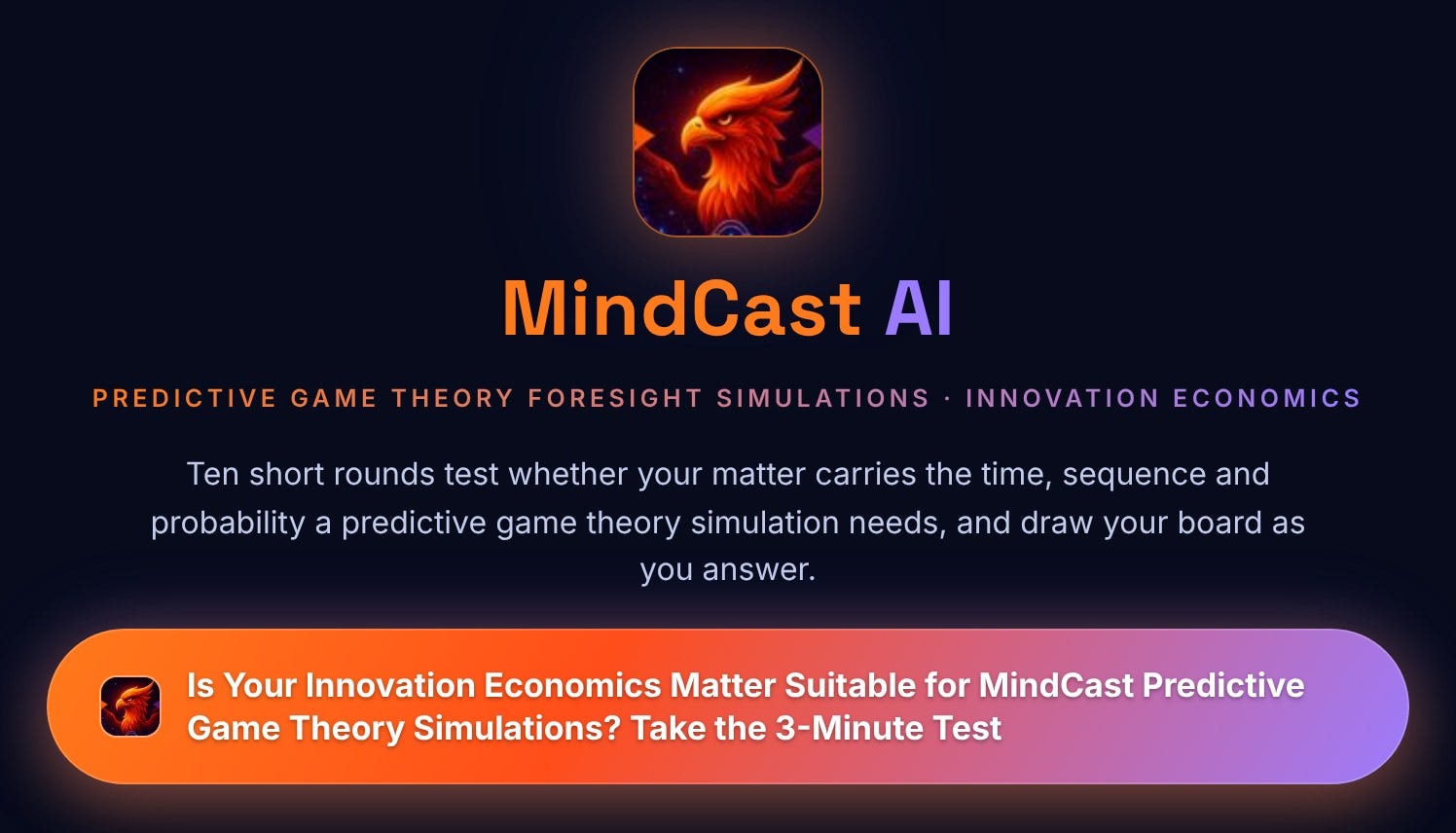
Figure 1. The landing page and launch button.
The opening screen defines the three tiers before the first question, so readers know what each answer is building toward. A drawable matter can be mapped as a board. A matter worth simulating adds actors who respond to one another and a best move that depends on how the fork lands. A playable matter adds one more trait: the reader’s own move can still change the trajectory.
The board on the right starts empty. Each answer adds a piece, so readers watch the structure of their own matter take shape as they go. Four boxes beneath the board track time, sequence, probability and rules.
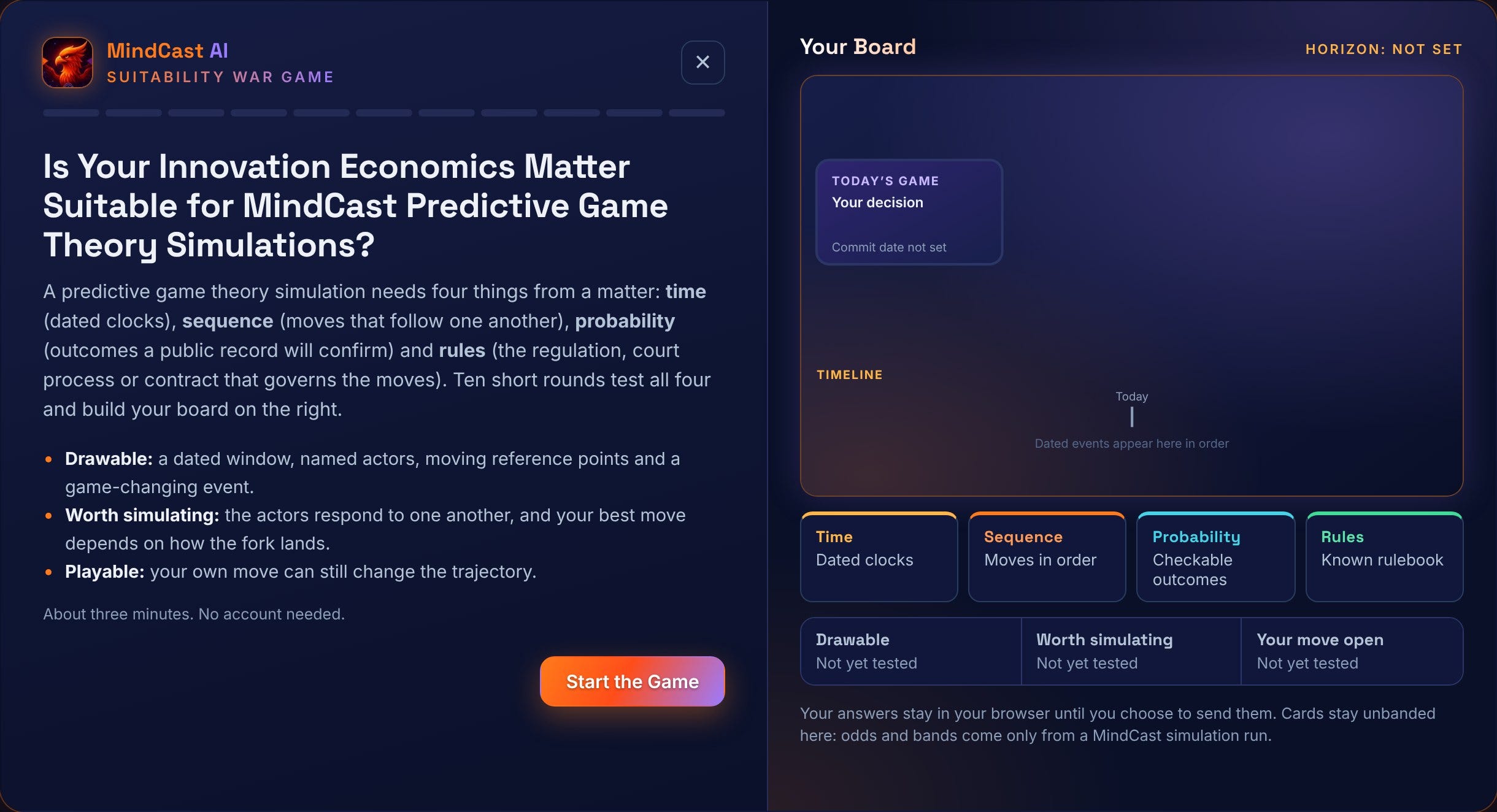
Figure 2. The opening screen and the empty board.
Takeaway. Suitability is a property of the matter, not of the question asked about it.
II. Round 1 Asks What You Must Decide and By When
The walkthrough reuses the coffee shop board from MindCast War Gaming Vision: Visual Guide — How to Read a MindCast Board in Seconds. A shop decides whether to raise its latte 10% before a rival café’s January menu meeting. The landlord can give notice in February that a coffee chain bought the building, and the shop must commit by March.
The first question asks for the decision and a commit month because a forecast needs a deadline to be useful. A decision that can wait indefinitely never forces a commitment, so no prediction has to be right by any particular date. The commit month also becomes the red marker on the timeline, which later tells the game whether each event lands before or after the reader must act.
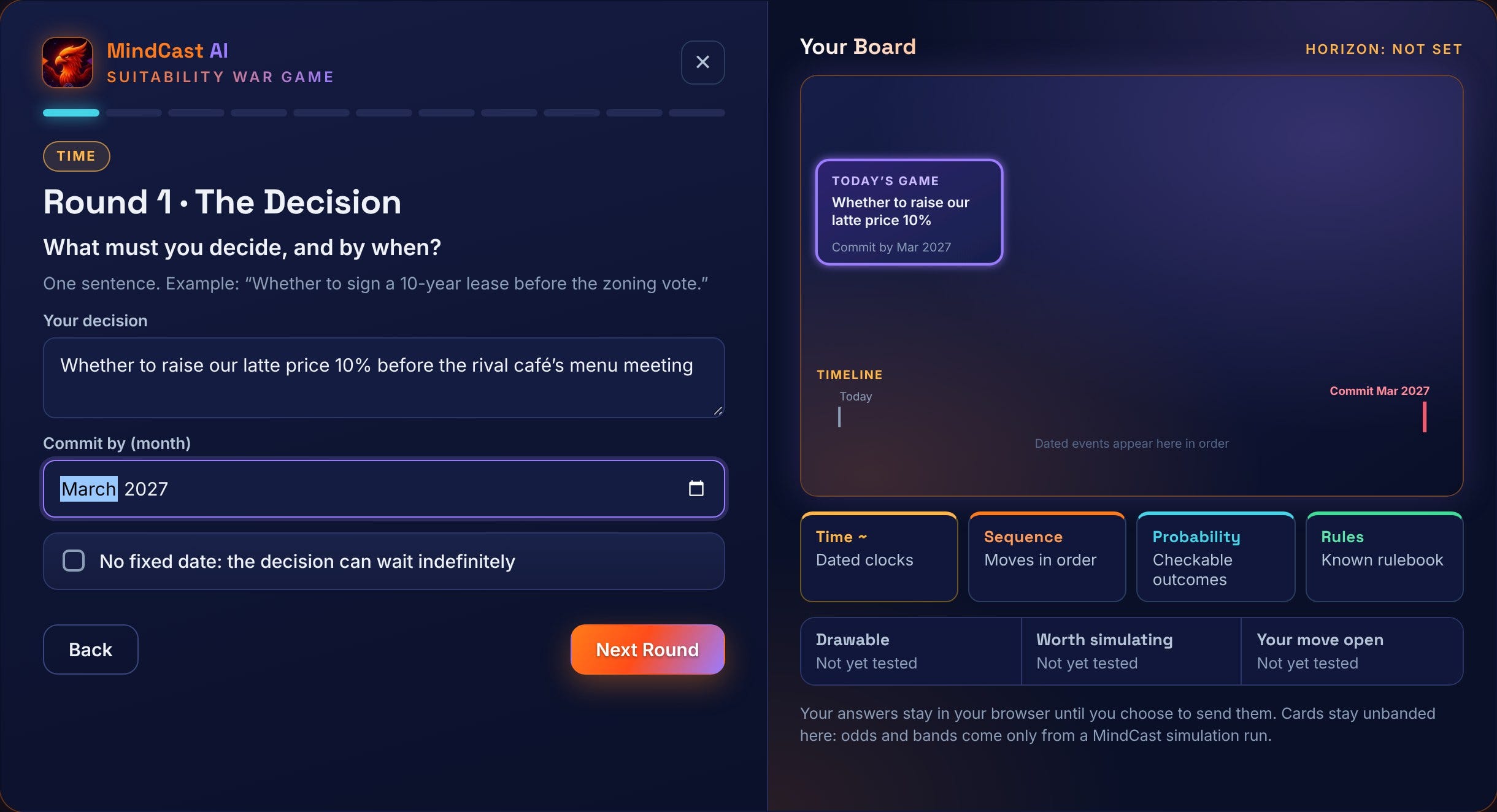
Figure 3. Round 1 dates the decision and draws the trunk of the board.
Takeaway. Without a commit date, no forecast has a deadline to meet.
III. Round 2 Asks Who Sits at the Table
MindCast models every opposing seat as a Cognitive Digital Twin of a real organization rather than a role player. Each Cognitive Digital Twin is built from the organization’s own filings, statements and conduct. The game therefore asks two things: who are the actors whose moves change your payoff, and how much of their conduct is public?
An actor who acts entirely out of view cannot be modeled with confidence. Filings across courts and agencies, plus public statements, produce a sharper Cognitive Digital Twin. Each named seat also becomes a mover the reader can assign to a dated event in Round 5.
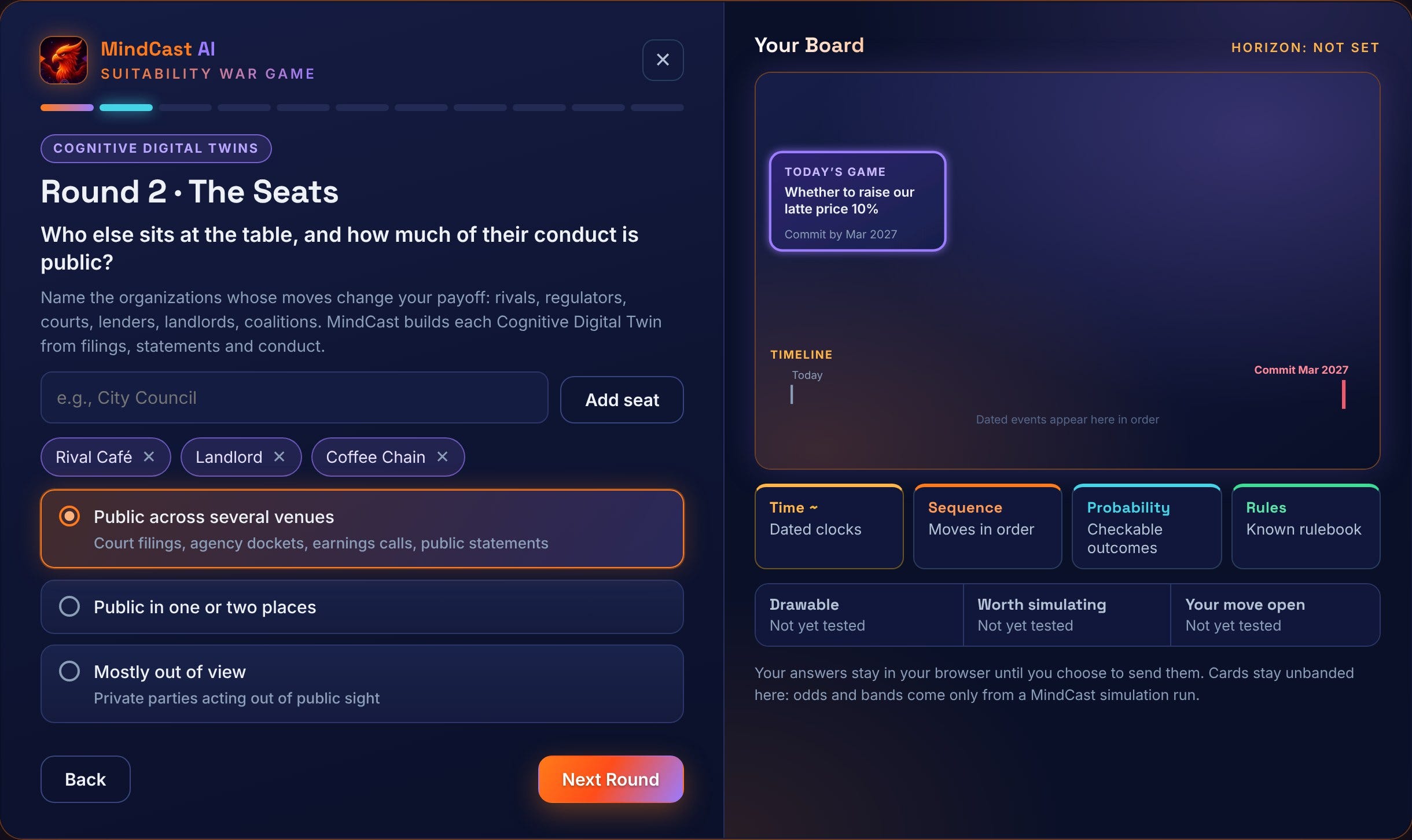
Figure 4. Round 2 names the actors and how much of their conduct is public.
Takeaway. A Cognitive Digital Twin is built from public conduct, so an actor working out of view cannot be modeled with confidence.
IV. Round 3 Asks Whether the Actors Respond to One Another and Which Rules Govern Them
Round 3 asks the question that separates a game from a forecast. Game theory applies only when each actor’s best move depends on what the others do. A rival that answers your latte move plays a game with you, and so does a regulator that waits for the first filer.
Actors who ignore one another produce a trend rather than a game. When outcomes turn on markets, weather or broad demand, a statistical forecast fits better than a simulation of strategic moves. The answer here supplies the payoff structure the rest of the board depends on.
The Rulebook Sets Which Moves Count
Round 3 then asks which rules govern the moves. Game theory supplies the payoff structure, and the rulebook decides which moves are allowed and what each one pays. Federal antitrust review shows the regulatory kind: DOJ or the FTC can clear a merger, demand a remedy or sue to block it. Agentic AI liability shows the court kind, where tort law and state attorney general enforcement set the cost of each deployment choice.
Contracts form the third kind. A lease, a license or an insurance policy fixes what each party may do and when. A matter can carry several rulebooks at once, so the round lets readers tick every one that applies.
The follow-up question asks whether an actor at the table can rewrite those rules inside the decision window. A regulator issuing new guidance can do it, and so can a court deciding a first-impression question. An actor with that power is the usual trigger for game mutation, so the answer tells MindCast where to watch for a rebuilt model.
The coffee shop ticks a contract and market norms. The latte decision follows market norms, while the lease governs the landlord. The shop also answers yes on rewriting, because a coffee chain that buys the building takes over the lease.
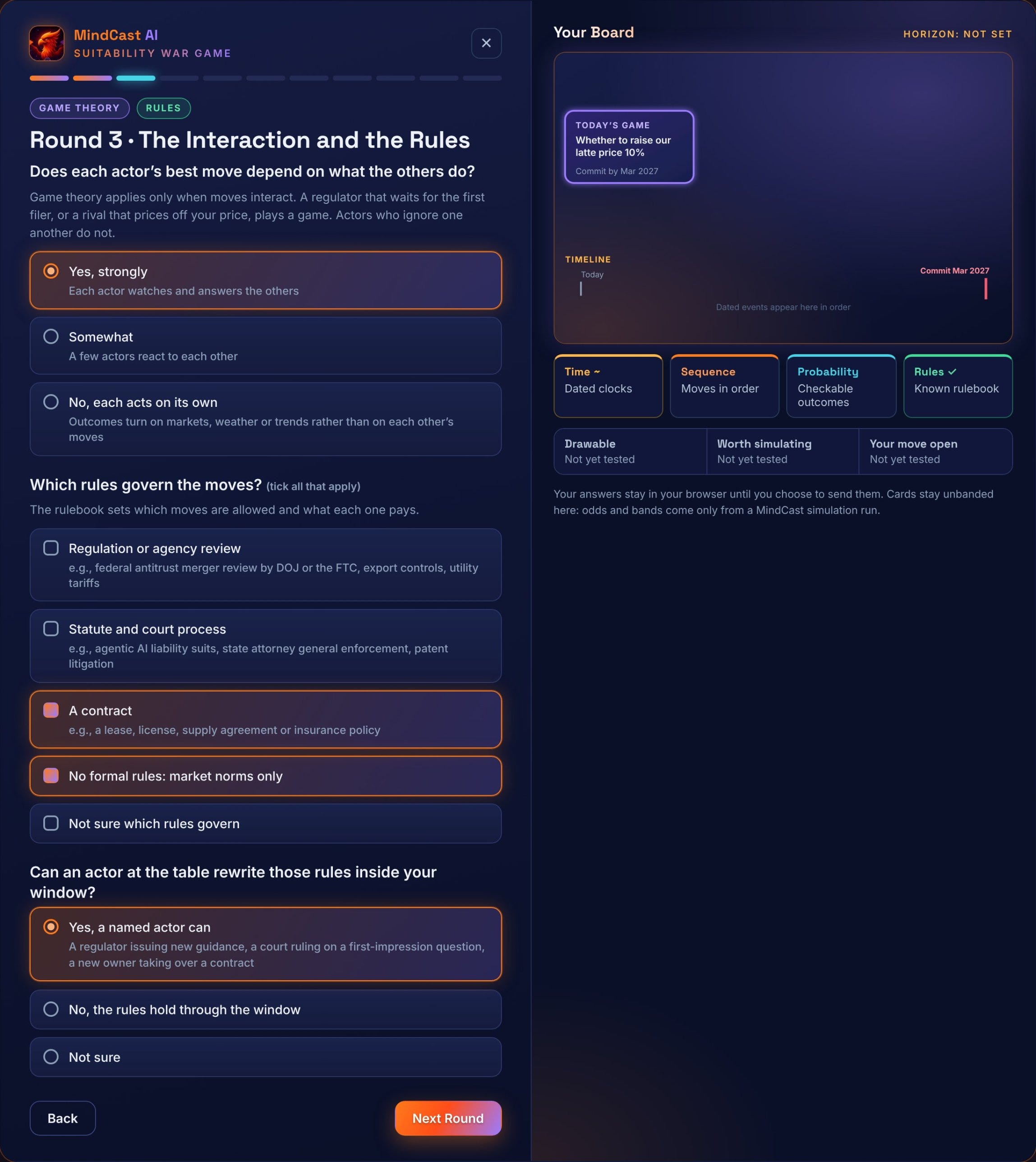
Figure 5. Round 3 tests whether moves interact and which rules govern them.
Takeaway. Actors who answer one another make a game, and the rulebook decides what each answer pays.
V. Round 4 Asks What Each Actor Measures Against
Behavioral economics supplies the decision rules in a MindCast simulation. Actors do not weigh gains and losses in the abstract; they measure them against a reference point such as a price, a position, a precedent or a promise. Loss aversion means a move that falls below that reference point feels far worse than an equal move above it feels good.
The game asks whether those reference points are visible and whether they are moving. A moving reference point is what makes actors move, and a hidden one makes their next move hard to call.
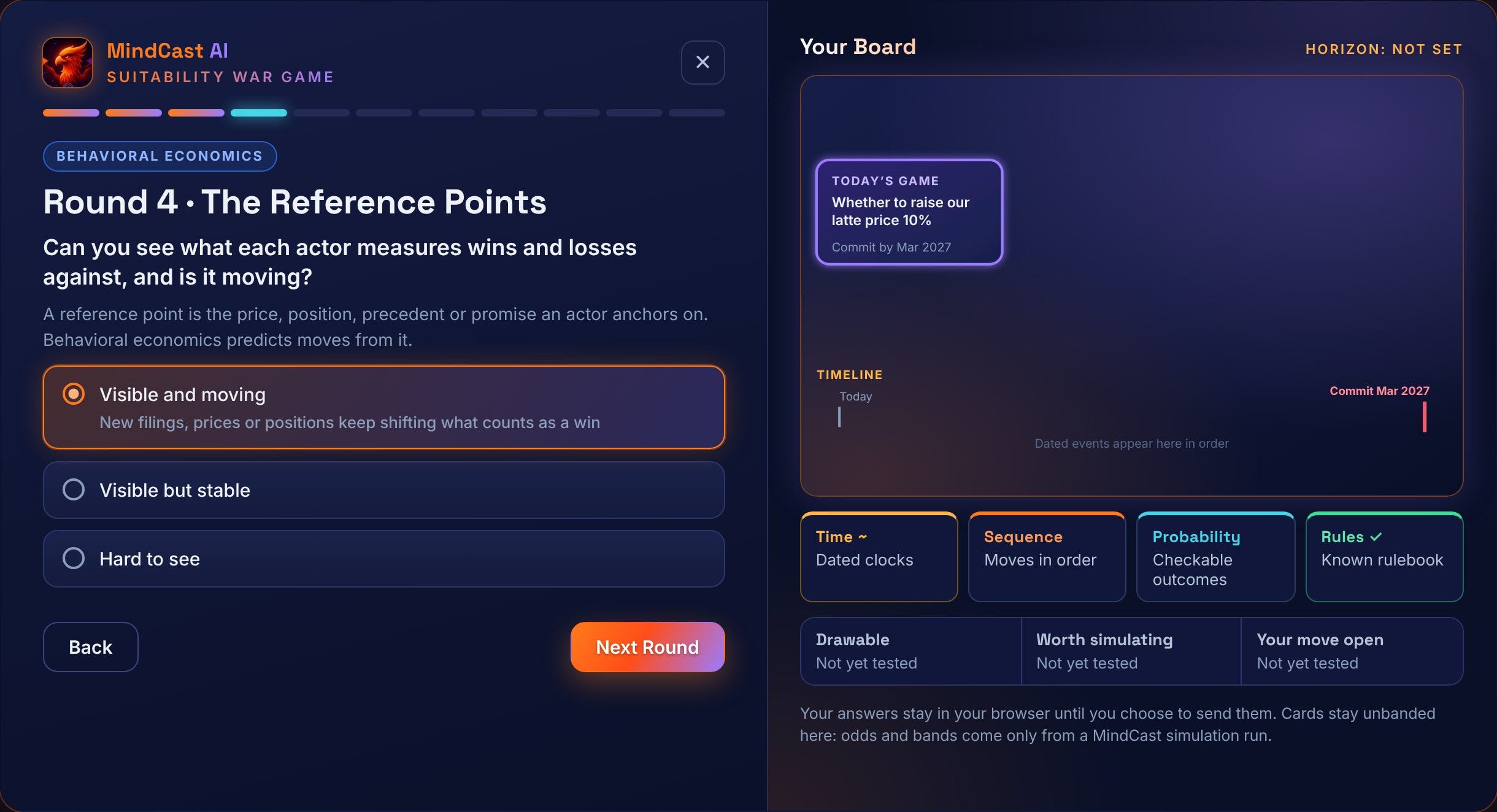
Figure 6. Round 4 tests the behavioral side of the board.
Takeaway. Reference points that move are the engine of predictable behavior.
VI. Round 5 Asks Which Dated Events Could Change the Game
A board branches only where a scheduled event can replace the game. The game asks for each event with its month and mover, because time and sequence both come from that list. The board sorts the events by date and places them against the reader’s commit month.
Each event also carries a shape and a kind of change. An either-or fork has branches that exclude one another, while a parallel lane runs on its own clock and any combination can happen.
The kind of change tells the reader what to do with every forecast already in hand. A forecast carries forward when the game continues, and it gets revalidated when the game evolves. Most events evolve the game, even abrupt rulings and enactments. Mutation is reserved for an exceptional change that forces a rebuilt model.
The carry, revalidate and rebuild rules come from MCAI Economics Vision: The Calculus of Predictive Game Theory Evolution and Mutation.
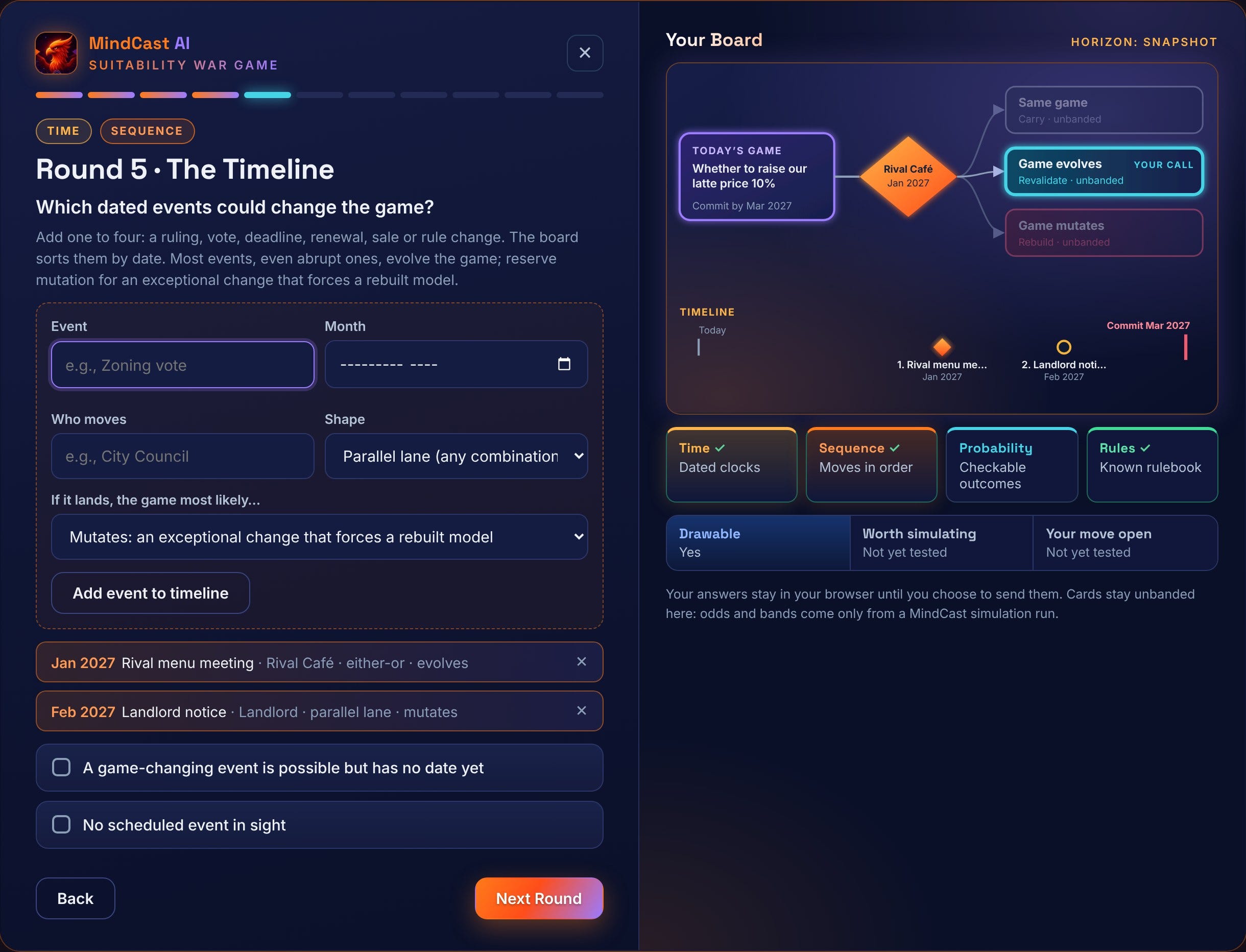
Figure 7. Round 5 places each event on the timeline and marks the commit deadline in red.
Takeaway. Without a dated event that can replace the game, the board never branches.
VII. Round 6 Asks Who Moves Next
One fork describes a moment, while a game unfolds as a sequence of moves. The game asks who moves after the first event lands and whether that move depends on the outcome. A second mover who chooses after seeing the first result turns a single prediction into a chain of conditional ones.
The answer adds a second-layer branch to the board: snapshot, next states and second branches. A solid line marks a move that depends on the first outcome, and a dotted line marks one that happens either way.
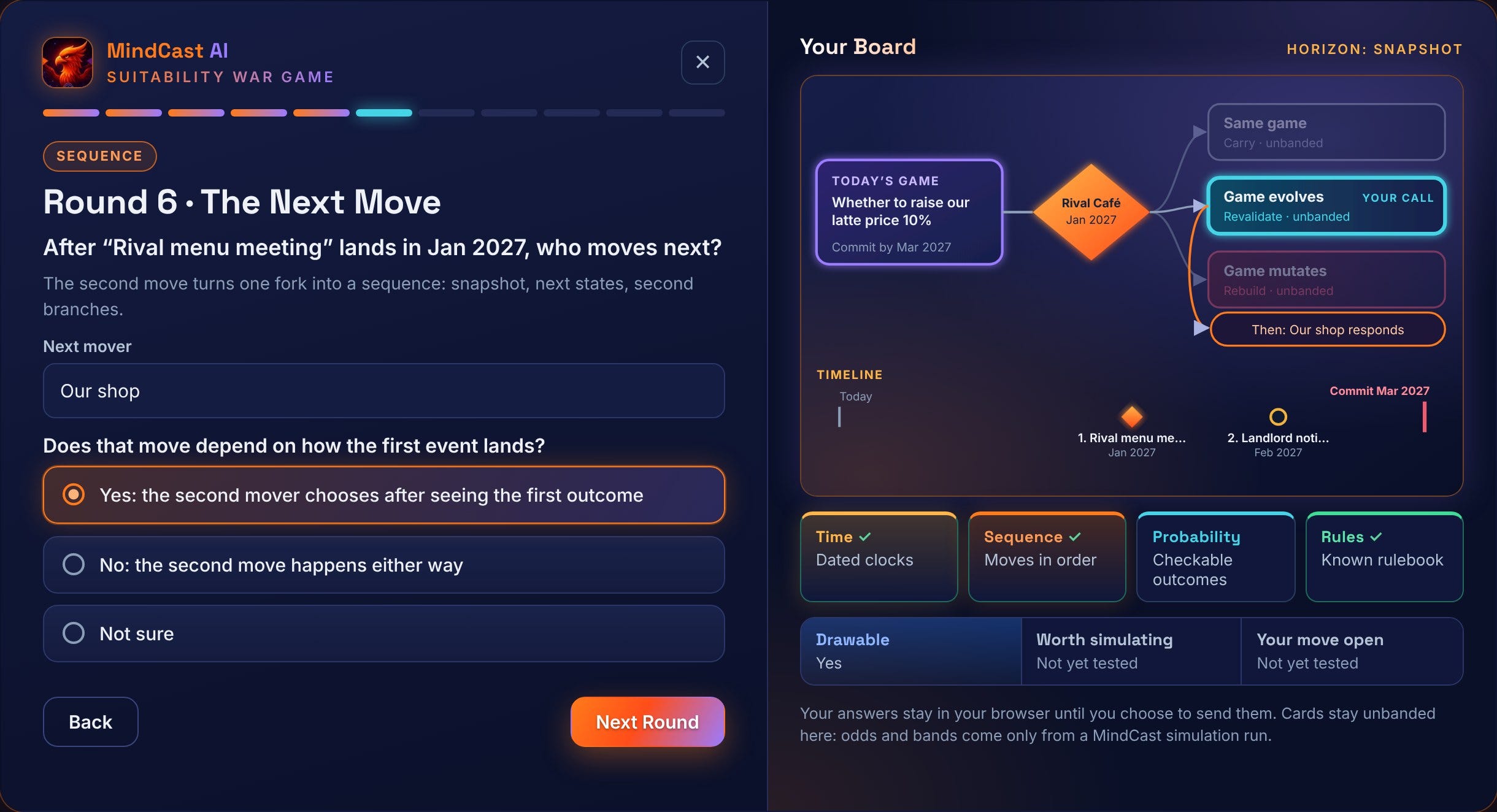
Figure 8. Round 6 adds the second move to the board.
Takeaway. Two ordered moves describe a game; one fork describes only a moment.
VIII. Round 7 Asks Whether Your Own Move Still Counts
A matter can be forecastable without being playable. The game asks whether the reader’s own move can still change the outcome, using the exposure-clock rule from MCAI Economics War Gaming Simulation: OpenAI Liability War Game — When AI Safety Controls Reduce Exposure and When They Become Evidence. A clock closes when no later conduct can undo its source.
The round also asks whether waiting lets a rival or regulator move first. Waiting usually brings better information, but it carries a cost when someone else can take the better position in the meantime. A yes here tells MindCast to estimate when waiting stops paying. The coffee shop answers no, because the rival decides in January and the shop’s deadline falls in March.
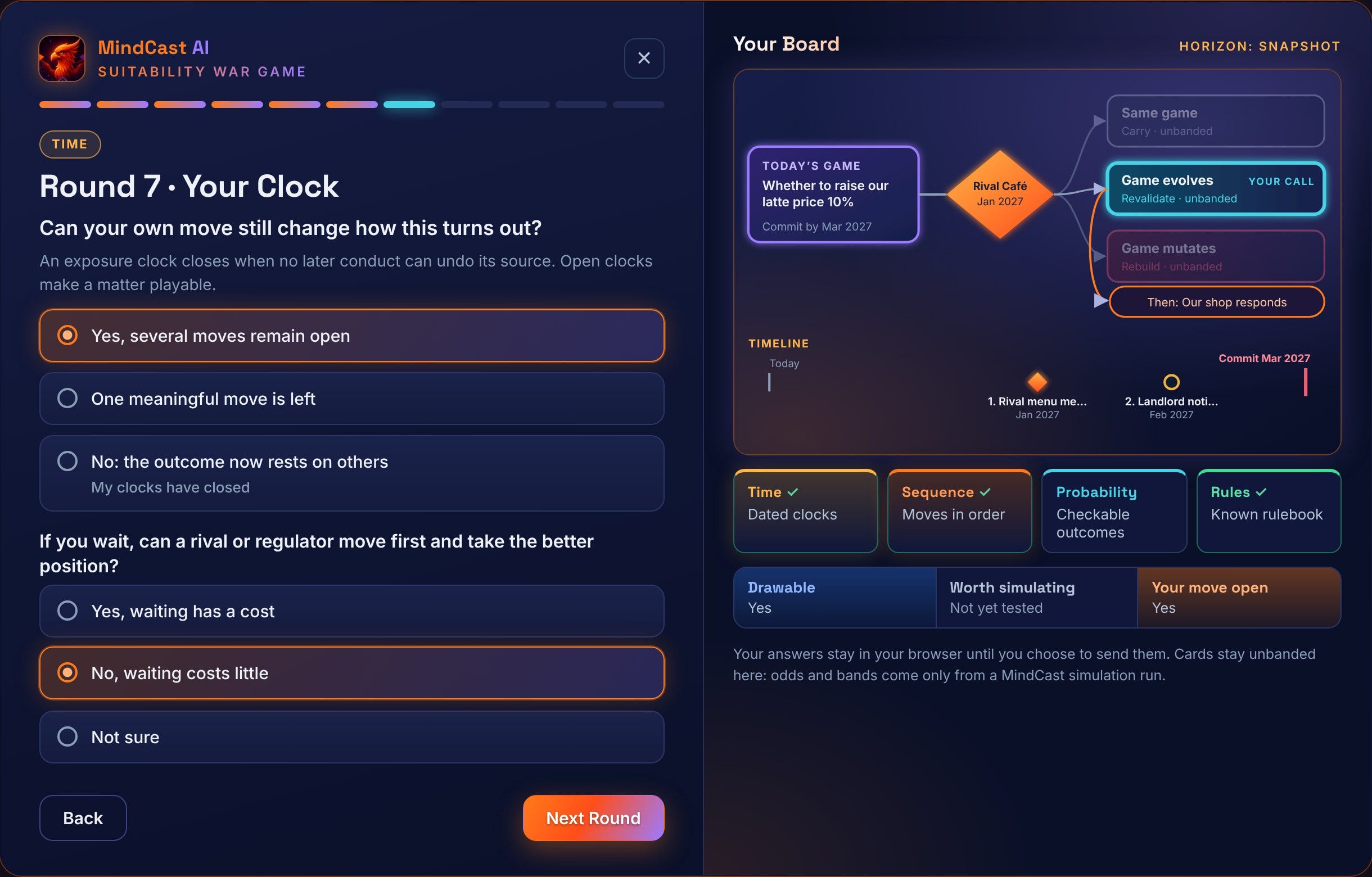
Figure 9. Round 7 checks for open clocks and the cost of waiting.
Takeaway. Open clocks make a matter playable; closed clocks leave only a forecast of other people’s moves.
IX. Round 8 Asks Whether Your Best Move Depends on the Fork
A simulation earns its keep only when it can change what the reader does. If the same move wins in every branch, the reader should make that move now, and a simulation would confirm the decision rather than change it. The game asks the question directly.
A yes means the right move differs by branch, which is where foresight carries real decision value. An honest “not sure” also counts, because uncertainty about the best move is often the reason a team seeks a board in the first place.
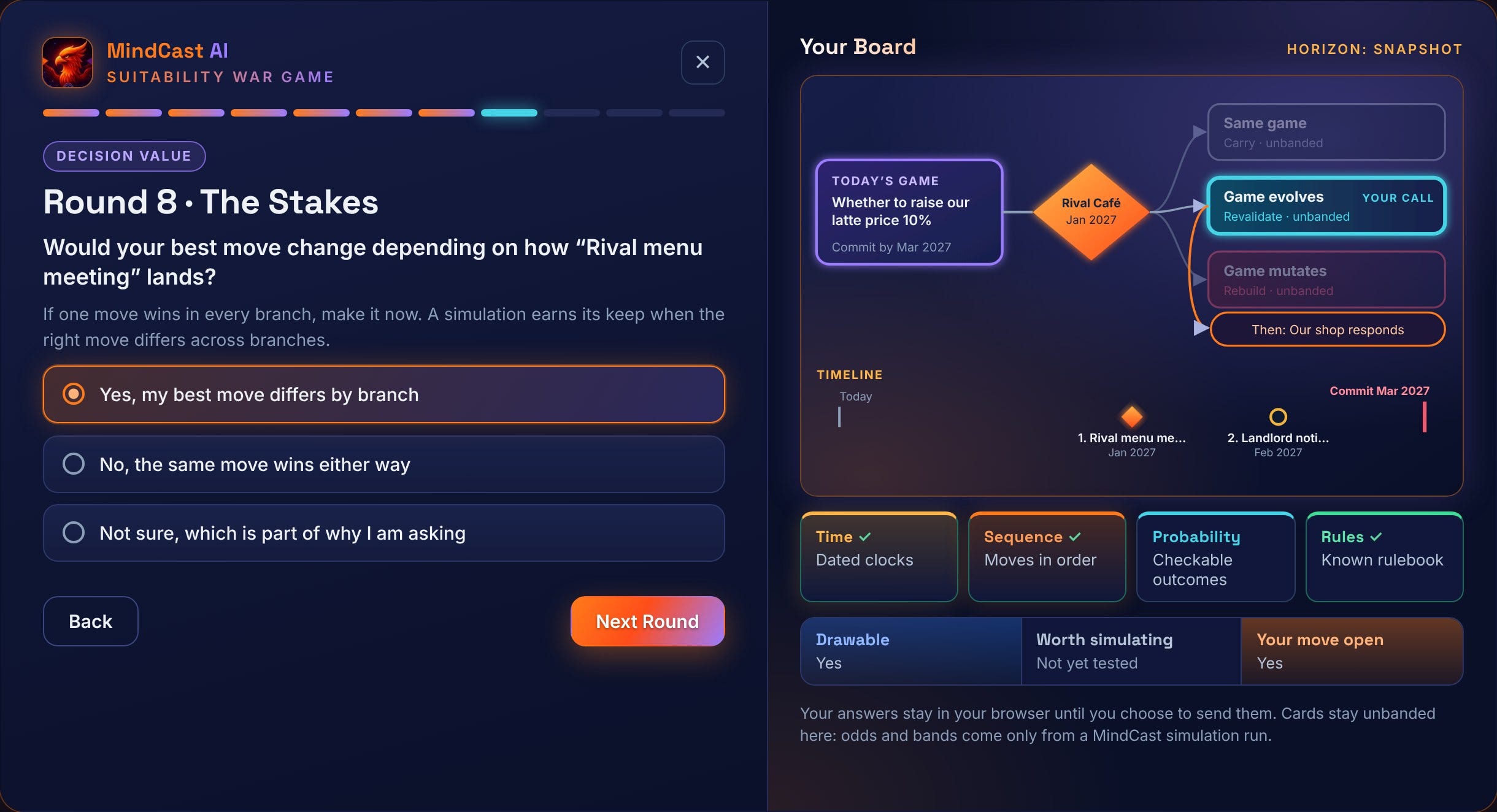
Figure 10. Round 8 tests decision value.
Takeaway. A move that wins everywhere needs commitment, not simulation.
X. Round 9 Asks How You Will Know What Happened
Probability needs a referee outside the model. The game asks how the reader will know which outcome happened once the event lands. A ruling, a vote, a filing or a published figure confirms or refutes a forecast on a known date.
A private or delayed signal weakens the forecast, and no signal at all makes any band meaningless. The answer here decides whether the matter can carry probabilities and how deep they can go.
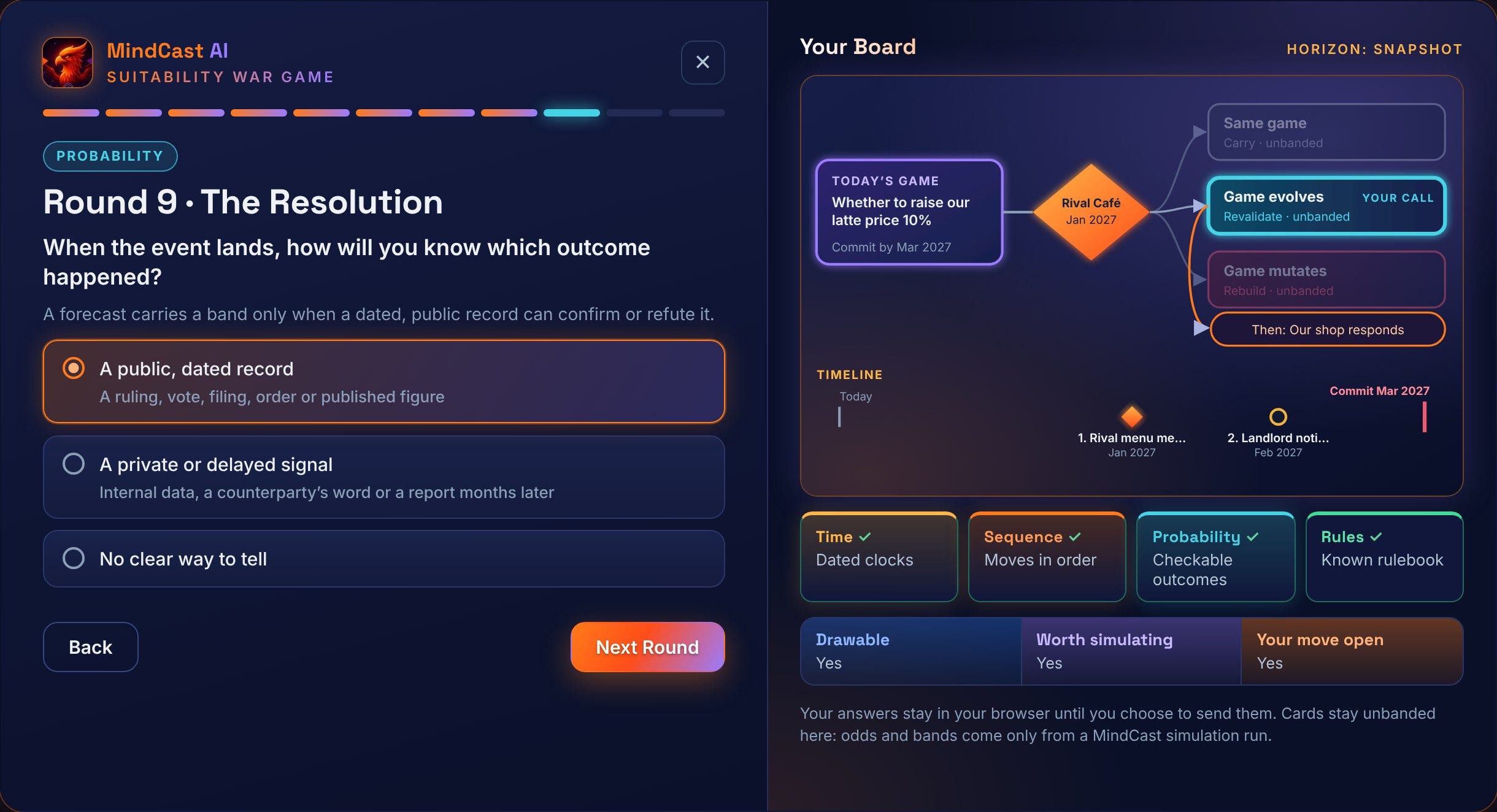
Figure 11. Round 9 tests whether outcomes can be confirmed.
Takeaway. A probability band needs a dated public source that will confirm the outcome.
XI. Round 10 Asks Which Behavioral Signals Are Present
The final round lists nine patterns that simulations read better than intuition. A party that gains from stalling slows the clock on purpose. An actor pulled between two constituencies becomes a decision node rather than a stable player. A recent ruling still treated as one more fact signals a game that already changed under everyone’s feet.
Three of the signals guard long-horizon verdicts against false stability: calm that rests on a single enforcer, a stated position that runs against an actor’s own payoffs and a key role with no ready successor. The three false-stability checks come from MCAI Economics Vision: Predictive Game Theory Evolution and Mutation — Long Horizon Games Resolve Deep Because Their Branches Hold. The round is optional, and each ticked signal adds a note to the verdict.
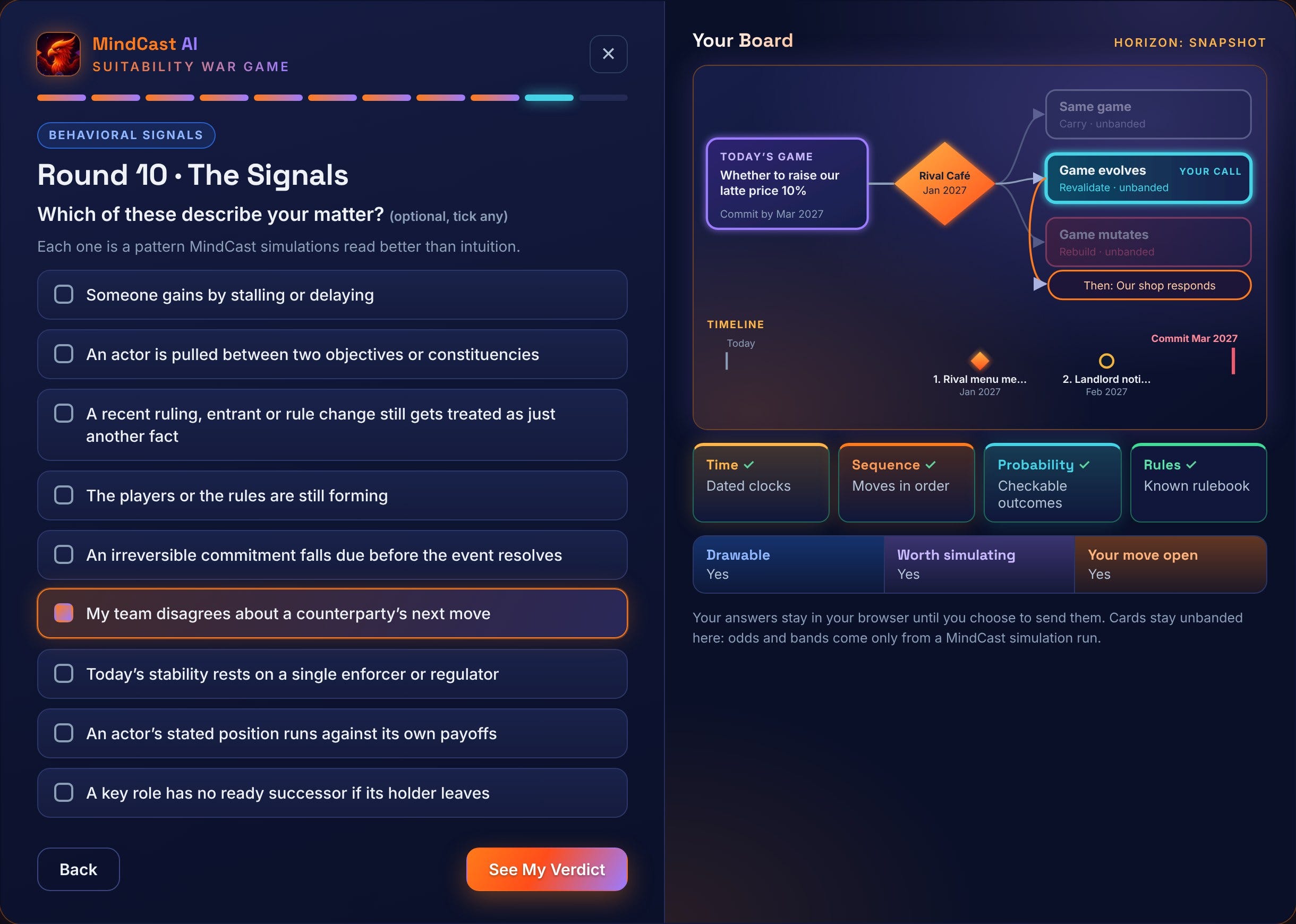
Figure 12. Round 10 records where a simulation will add the most.
Takeaway. The signals do not change the tier; they tell MindCast where to look hardest.
XII. The Verdict Names the Tier and the Product
The coffee shop clears every gate. The rival, landlord and chain respond to one another. The shop’s best move differs by branch, and its clocks remain open. The verdict reads Playable · Snapshot and recommends a Strategy and Risk Simulation Snapshot plus interactive war gaming.
Two notes follow the verdict. A rule-writer note flags the chain's power over the lease, so the first Snapshot names the move that would mutate the game. A team disagreement note turns the shop's internal argument into a question about one branch.
The verdict also states how much probability the matter supports. Here the answer is odds rounded to the nearest 10% at the current fork, because the rival’s meeting sits only weeks away. The tag matches the Visual Guide, which reads the coffee board as a snapshot inside a short horizon game.
The horizon tag on the verdict tells the reader how far the board can see. Branches thin and forecast reach grows as the horizon lengthens:
Snapshot: the next fork sits within about three months, or the players are still forming. Branches are many and uncertain, so odds print rounded to the nearest 10% at the current fork only.
Short horizon: a dated event lands inside the decision window. Fewer branches stay live than in a snapshot, so bands reach the first fork with conditional odds one step deeper.
Long horizon: the rules and responses hold through a longer window. A few stable branches carry the game, so every branch receives a specific probability band through a full scenario tree. The test assigns a long horizon only when the first dated event falls after the commit date and the actors’ conduct is public across venues. No actor may be able to rewrite the rules, and no false-stability signal may appear.
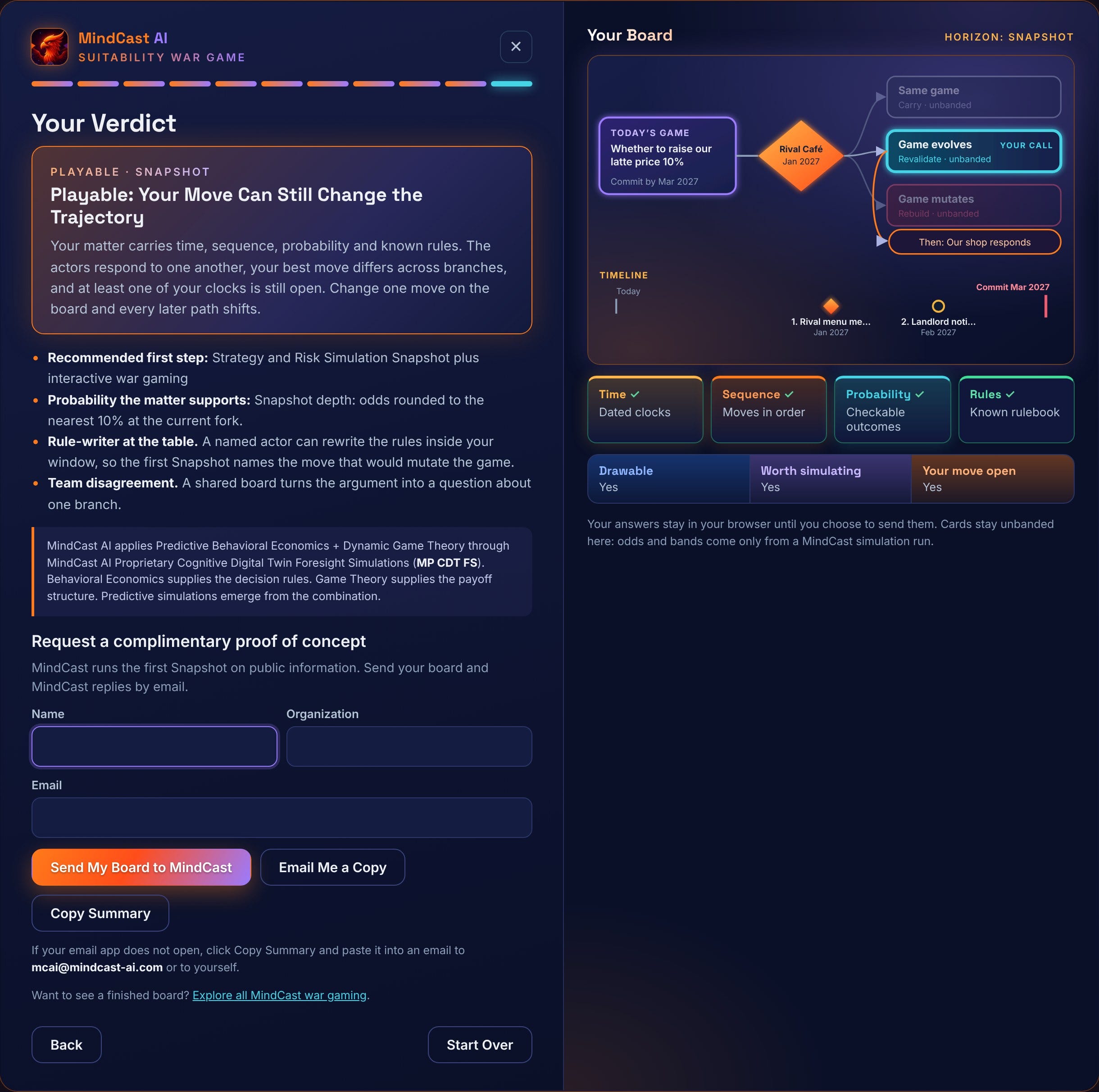
Figure 13. The finished board lights all three tiers. Readers can send it to MindCast or email a copy to themselves.
Each tier maps to a product:
Drawable (a dated window with named actors, moving reference points and a dated event): a diagnostic session when outcomes cannot be confirmed. A matter with no dated event gets a Vision Statement instead.
Worth simulating (interdependent actors, a best move that differs by branch and a public resolution source): a Strategy and Risk Simulation Snapshot or a Foresight Simulation.
Playable (at least one open clock for the reader’s own move): a simulation plus interactive war gaming.
A matter that keeps an open clock but carries a gap receives a Playable With Gaps verdict. The verdict names each gap, and the first Snapshot addresses each gap or states what would close it. Six gaps qualify:
only some actors respond to one another
the reader is unsure whether the best move differs by branch
outcomes surface only through a private or delayed signal
the board holds one fork without a dependent second move
the named actors act mostly out of view or show stable reference points
the governing rules or the power to rewrite them remain unclear
Takeaway. The verdict sends each matter to the product its structure can support.
XIII. The Board Tells the Shop When to Act and What to Prepare
The coffee board changes the shop’s decision in three ways. The rival’s January meeting lands before the March commit date, so the shop can wait for the rival’s move instead of raising its latte blind. If the rival undercuts (40%), a loyalty app race follows (70% given the undercut), so preparing a loyalty program now protects the shop on its most dangerous branch. The chain’s purchase of the building runs on its own lane at 10%, which justifies a lease review and nothing more.
Without the board, the shop faces one question: raise the latte or hold. With the board, it gets a timing rule, a hedge and a sense of proportion. All three come from illustrative odds in the Visual Guide.
Takeaway. Foresight pays by telling a decision-maker when to move, what to prepare and what to leave alone.
XIV. How MindCast Maps Successor States and Their Successors
The suitability test asks whether a matter can be drawn. The formal method draws it. MindCast maps every successor state a move can create, then maps the successors of each of those states.
Each first-layer branch carries one probability band. Sibling branches at an exclusive fork sum to 100%, while a parallel lane’s band stands alone. The Visual Guide plays out the full short-horizon game, so its board reaches one level deeper than the Snapshot verdict.
On the coffee board the rival matches at 60% or undercuts at 40%, and the landlord’s sale lane carries 10% on its own clock. The second layer shows which way each branch travels. The matching branch converges back to a state the board already knows. The undercut branch diverges, and the loyalty app race that follows carries a depth-two band of 70% given the undercut because the rival is a named actor whose move defines the next game.
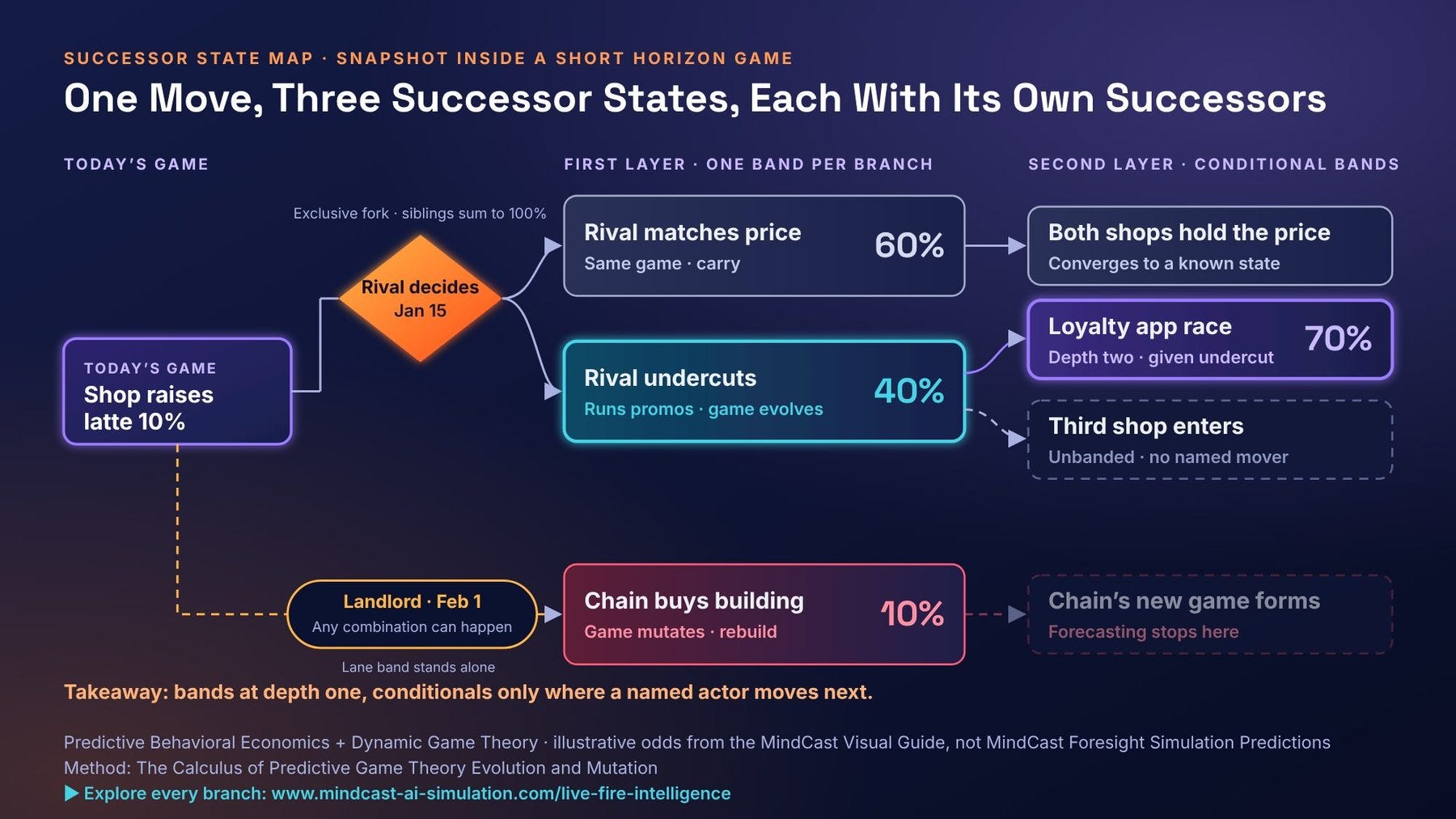
Figure 14. Successor states and their successors, each first-layer branch with its own band. Illustrative odds from the MindCast Visual Guide.
Bands stop where evidence stops. A third shop entering stays unbanded because no named actor drives it. The sale branch fades because forecasting stops until the chain’s game forms.
On a short-horizon board, depth one carries bands. Depth two carries conditional odds only where a named actor moves next. Beyond that, the board shows open structure. The depth rule generalizes MCAI Economics Vision: Predictive Game Theory Evolution and Mutation — Short Horizon Games Branch Wide and Resolve Shallow.
Takeaway. Every branch earns its band, and every band ends where the named actors end.
XV. Bands at Every Layer Make the Counterfactual Measurable
Layered bands matter most when a reader asks what would have happened under a different move. Without a band on each branch, a counterfactual is a story in which one path simply sounds better than another. With bands at every layer, two trees can be compared branch by branch, because everything except the changed move stays fixed.
The OpenAI liability war game shows the mechanism on a live matter. Every Cognitive Digital Twin keeps its decision rules, from the attorney general offices to the courts and carriers. Only one move changes.
A frontier developer not yet named faces a 40% chance of being named by a state within twelve months on its current conduct. Adopting the pleaded conduct terms before any order moves that band to 20%.
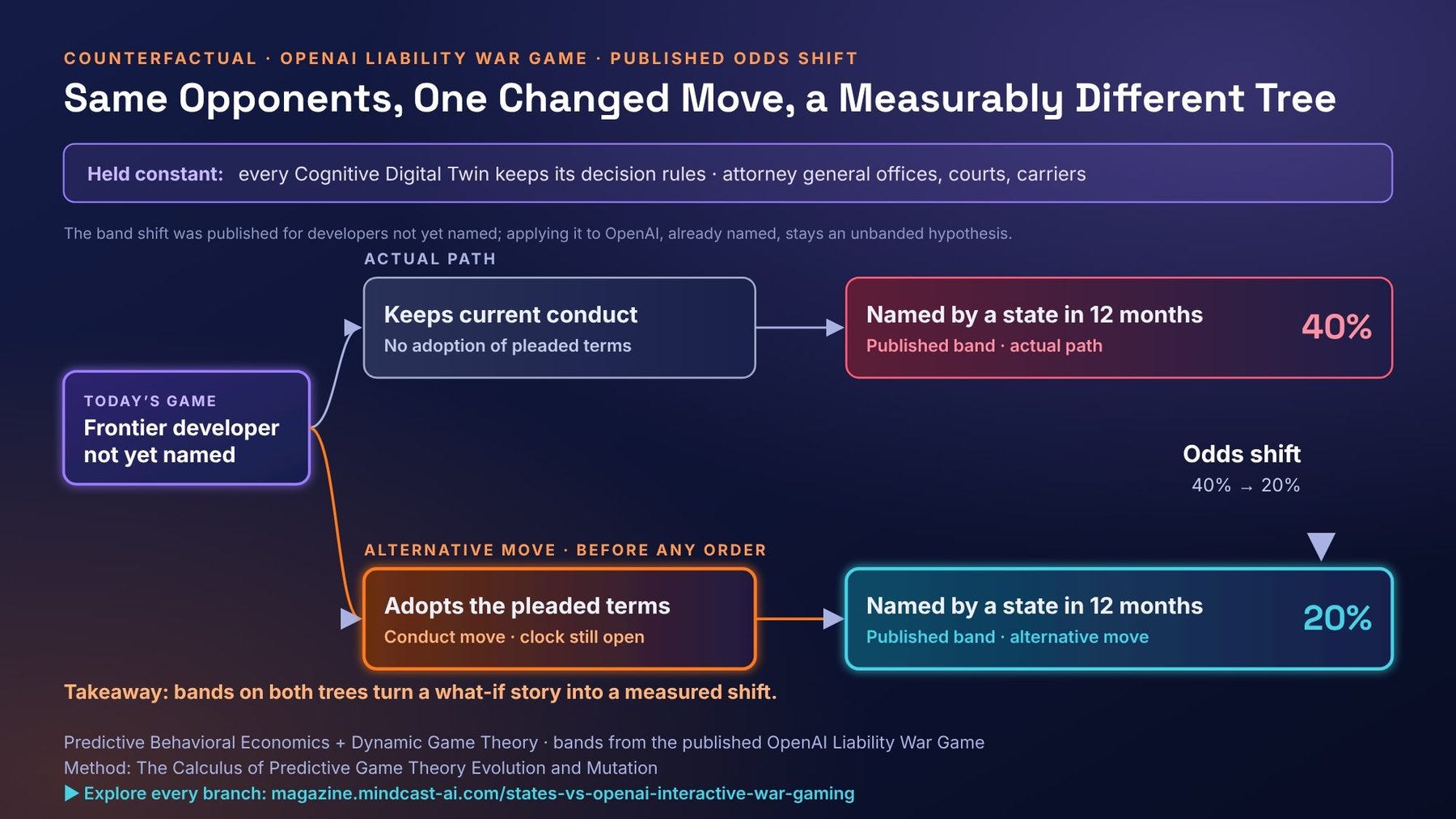
Figure 15. One changed move against unchanged opponents. Bands from the published OpenAI liability war game.
The difference between the two trees measures the move itself, because the opponents never changed. The published shift covers developers not yet named. For OpenAI, already named, the same shift remains an unbanded hypothesis.
Takeaway. Bands on both trees turn a what-if story into a measured shift.
XVI. Change One Answer and the Verdict Moves
The suitability test applies the same counterfactual logic at small scale. The next three boards replay the coffee shop with a single answer changed each time. Everything else stays exactly as before.
The first replay changes Round 3 to say each actor acts on its own. The shop’s outcome now turns on markets and trends rather than on the rival’s response, so there is no game to simulate.
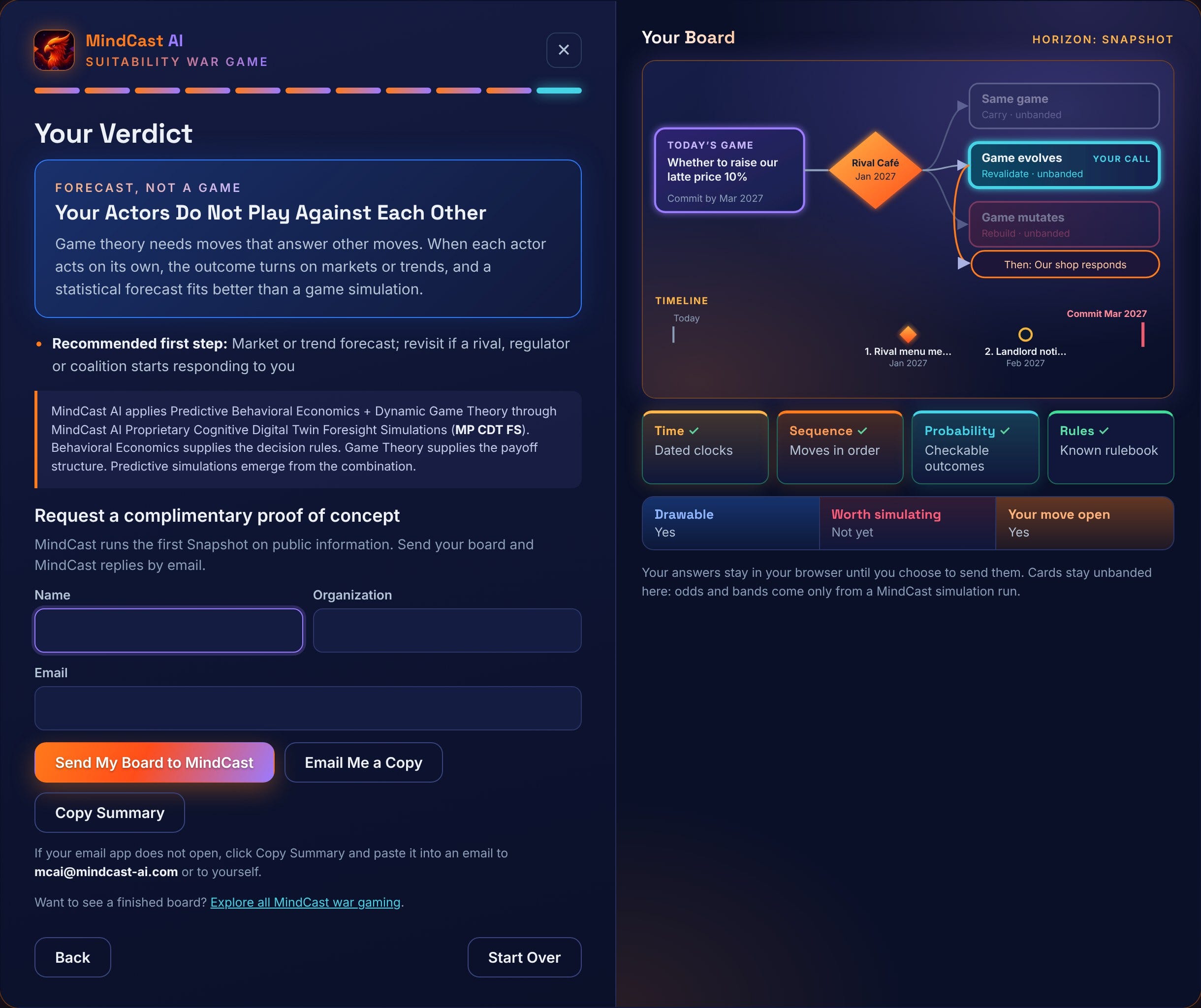
Figure 16. Round 3 changed: the verdict drops to Forecast, Not a Game.
The second replay changes Round 8 to say the same move wins either way. Strategic clarity now runs ahead of forecast depth. The shop should make the move today, and a simulation would only confirm it.
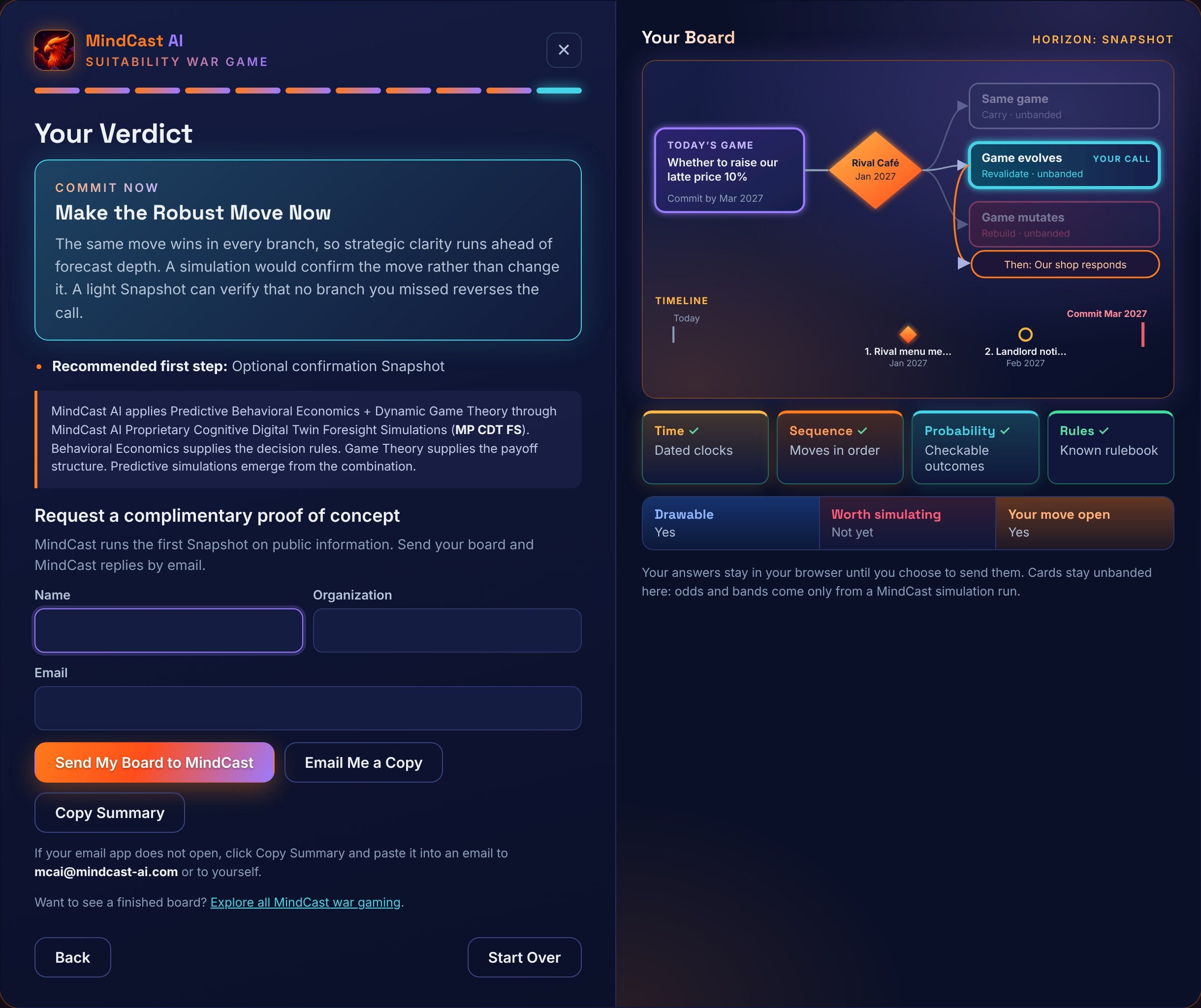
Figure 17. Round 8 changed: the verdict becomes Commit Now.
The third replay changes Round 7 to say the outcome now rests on others. A simulation still forecasts how the rival and landlord will move. Interactive war gaming adds little, because the shop has no move left to test.
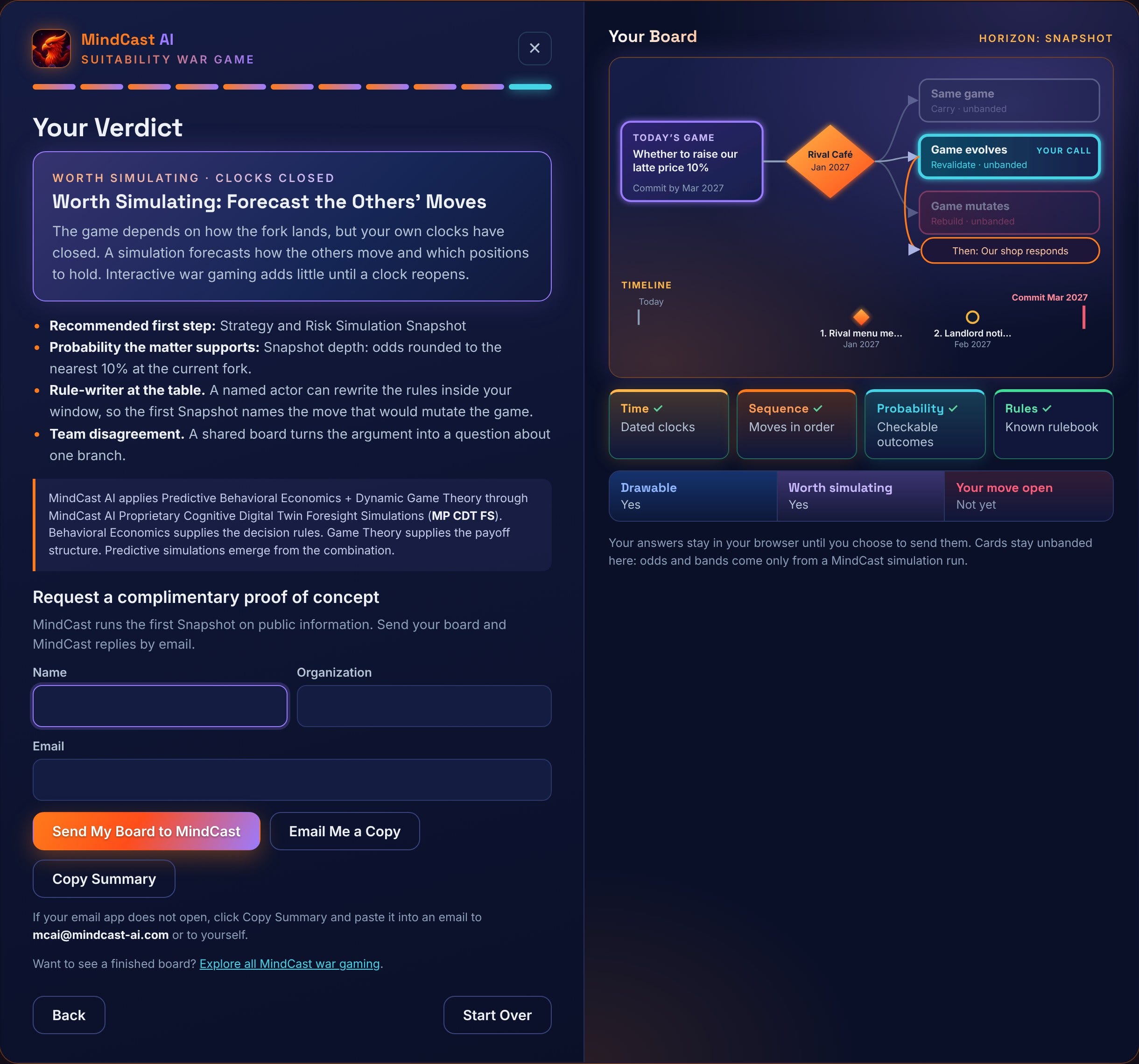
Figure 18. Round 7 changed: the verdict becomes Worth Simulating · Clocks Closed.
Each change alters one property of the matter and leaves the rest untouched. The verdict moves because the structure moved, which is the same discipline a formal MindCast run applies when it holds every Cognitive Digital Twin constant and changes one move.
Takeaway. Changing one answer changes the verdict, because the verdict follows the structure of the matter.
XVII. Forward Lock
The test makes a falsifiable claim about its own gates. The claim covers every formal MindCast run on matters the test classified, for runs completed by December 31, 2027. The MindCast Foresight Scorecard tracks each formal run against its outcome.
A matter marked Commit Now should show the same best move in every branch of its formal run. One formal run that finds a branch reversing that move falsifies the Stakes gate. A matter marked Playable should show at least one alternative move that changes a downstream outcome, and one formal run that finds none falsifies the Your Clock gate.
Working With MindCast
MindCast AI is a predictive game theory simulation firm in innovation economics. MindCast builds Cognitive Digital Twins of the named actors on a client’s board and models how the game evolves through its next forks. A complimentary proof of concept runs on public information: snapshot, next states and second branches.
MindCast AI applies Predictive Behavioral Economics + Dynamic Game Theory through MindCast AI Proprietary Cognitive Digital Twin Foresight Simulations (MP CDT FS). Behavioral Economics supplies the decision rules. Game Theory supplies the payoff structure. Predictive simulations emerge from the combination.
Contact: mcai@mindcast-ai.com · Corporate site: www.mindcast-ai-simulation.com · All war gaming: Live-Fire | War Gaming Publications · Foresight results: MindCast Foresight Scorecard
Appendix A. Selected MindCast Works
Visual Guide — How to Read a MindCast Board in Seconds. Source of the coffee shop board and the four features that make a contest a board.
Predictive Game Theory Simulations Through War Gaming. Defines the war gaming product and the seat groups.
The Calculus of Predictive Game Theory Evolution and Mutation. Supplies the horizon definitions and the evolution and mutation distinction behind Round 5.
Predictive Game Theory Evolution and Mutation — Short Horizon Games Branch Wide and Resolve Shallow. Source of the band depth stated in each verdict.
Predictive Game Theory Evolution and Mutation — Long Horizon Games Resolve Deep Because Their Branches Hold. Source of the three false-stability signals in Round 10.
Dynamic Predictive Game Theory — From Nash Equilibrium to Adaptive Coherence Equilibrium. Supplies equilibrium selection and delay dominance.
OpenAI Liability War Game — When AI Safety Controls Reduce Exposure and When They Become Evidence. Source of the exposure-clock rule behind Round 7.
Interactive Module Visualizations — for Collaborative, Visual Decision Making. Running file of every published MindCast war gaming board.
MindCast Foresight Scorecard. Tracks every MindCast Foresight Simulation Prediction against its resolved outcome.
Live-Fire | War Gaming Publications. Corporate index of every MindCast war game.
The coffee shop example is illustrative.